
"wild arabica"
2000 article(s) found

Global warming Coffee is coming to an end
Wild Coffee trees Wild Coffee the study, published in the journal Pl os One of the Public Library of Science, was conducted by the Royal Botanical Gardens and scientists from Ethiopia, led by Alan Davis, a coffee expert at the Royal Botanical Gardens. Davis, who has been studying coffee for more than 15 years, points out that there are 125 kinds of wild coffee.
Introduction of native species of wild coffee comparison of species and genera of coffee from Liberia, Arabica and Robusta
You know that coffee beans are the kind of fruit that can be extracted from coffee grounds. This is a kind of coffee, it is a part of our life, it was originally a wild species, it was discovered by accident. Today I will introduce coffee that is considered to be a typical wild species. About wild species, these wild, natural relics in their own fabrics (grey cloth) are a
Cat poop coffee bean species Wild Robusta and captive Arabica
The types of cat feces coffee beans are wild Robusta species and captive Arabica species. Normal Indonesian wild civets live at an altitude of about 1200 meters. Indonesian coffee beans at this altitude are generally Robusta coffee beans, so the natural Indonesian cat feces coffee beans are generally Robusta coffee beans. Artificial cat feces coffee beans will feed civets better ah

Cat poop coffee bean species wild Robusta and captive Arabica
The species of cat poop coffee beans include wild robusta species and captive Arabica species. Normal wild Indonesian civets live about 1200 meters above sea level. Indonesian coffee beans at this altitude are generally robusta coffee beans, so the natural species of Indonesian cat poop coffee beans are generally Robusta coffee. Captive cat poop caffeine, it is better to feed civets.

Arabica coffee is on the verge of extinction, fit and cherish!
It's hard to imagine what it would be like without this rich, bitter black liquid in a world that consumes 1.5 billion cups of coffee a day. But it is not impossible for such a world without coffee to become a reality. Scientists tell us that half of the arable land needed to produce coffee will disappear by 2050. Arabica, the most consumed coffee variety in the world, will be extinct in the wild by 2080.
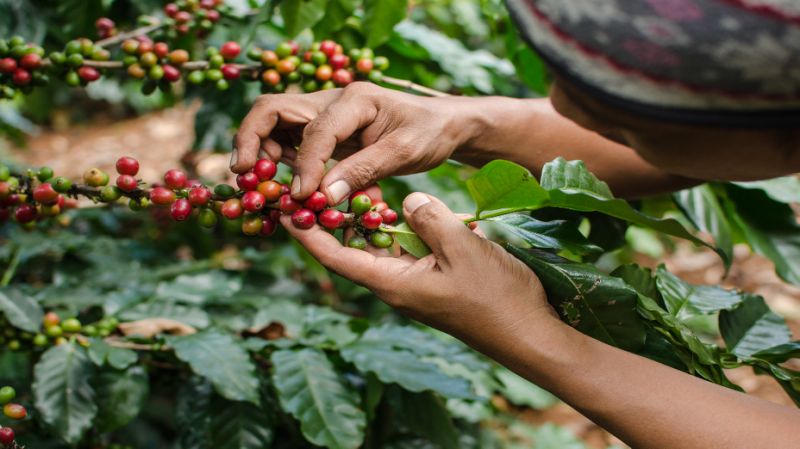
Climate change 60% of wild coffee beans may become extinct! Arabica is an endangered species!
Professional coffee knowledge exchange more coffee bean information Please follow the coffee workshop (official Wechat account cafe_style) many people regard coffee as spiritual food, and the world can drink 2 billion cups of coffee a day. However, researchers at the Royal Botanical Garden say 60% of the world's wild coffee varieties face the threat of climate change, the loss of deforestation habitats and the threat of diseases and pests.

New wild coffee varieties found in Africa Arabica coffee varieties are expected to improve their high temperature resistance.
For more information on coffee beans, please follow the coffee workshop (Wechat official account cafe_style). A recent study by the Potsdam Climate impact Institute shows that climate change will affect the production and quality of boutique coffee beans in Ethiopia. In order to ensure that the global coffee supply chain can adapt to climate change, coffee planting researchers are also constantly looking for
Wild Coffee Bean scientists: climate change could lead to Wild Coffee extinction in 2080
Abstract: if you are still calmly drinking coffee and reading the news, you may not be able to calm down immediately. If global climate change continues, plants from major coffee bean producers will be affected, unable to provide high-quality coffee bean products, and coffee is likely to move in 2080, according to Royal Botanical Gardens researchers. If you're still calmly drinking coffee,

What is the wild heirloom coffee bean in Arabica, the main coffee bean growing area in Ethiopia?
Although Ethiopia is famous as the birthplace of coffee, it is still the darling of the boutique coffee world because of its incredible flavors. It is admittedly difficult to have full traceability in recent history, when new regulations made direct procurement possible. When did Ethiopia start growing coffee? Coffee is very old in Ethiopia, but coffee cultivation is not. To 9
Coffee Bean Species Arabica and Robusta Coffee Bean Relationship Wild Coffee Tree Distribution and Characteristics
A lot of people compare Arabica to Robusta beans and think they're in a tie. Robusta is actually older than Arabica, which is pollinated by a cross between Robusta and Coffea canephora. Let Xiaobian popularize the following little knowledge for everyone today! Of all the catalogued species in the genus Coffea, only three have quotient.

Cat poop coffee bean species wild Robusta and captive Arabica milk bubble generator to be inserted
In 1880, the British brought coffee to Taiwan. After more than 100 years, Taiwan has had little visibility on the world coffee map, and coffee beans have not been Taiwan's main cash crop. But what is interesting is that Taiwan's coffee consumption has been growing year after year over the past decade or so. According to industry and official statistics, Taiwan imported 6800 metric tons of coffee beans in 2001.

Sharp Bourbon / Wild Natural decaf Story: the difference between artificial decaf and Natural decaf
Professional barista communication please follow the coffee workshop (Wechat official account cafe_style) which kind of coffee has the lowest caffeine content? The answer is: pointed bourbon / wild natural decaffeinated coffee pointed bourbon / wild natural semi-decaf Bourbon Pointu coffee bean king: pointed bourbon Bourbon Pointu, one of the world's rare boutique coffee beans, small and expensive, but delicate texture

Arabica coffee beans knowledge of Arabica coffee producing area which kind of Arabica coffee
Professional coffee knowledge exchange more information about coffee beans please follow the coffee workshop (Wechat official account cafe_style) the birthplace of Arabica coffee in Ethiopia. The coffee tree originated in Ethiopia, which was originally a wild plant here, and the name coffee comes from the Ethiopian town of Kaffa. In fact, many coffee trees in Ethiopia
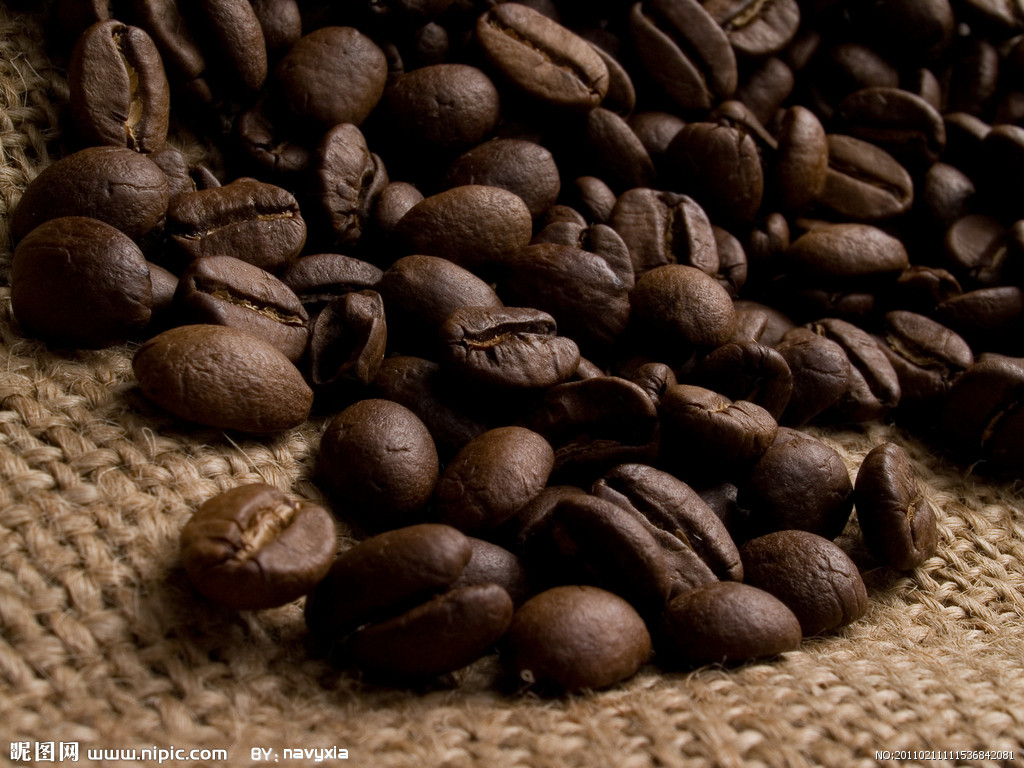
Arabica beans Arabica beans specialty coffee Country of origin Ethiopian coffee
The birthplace of Ethiopian coffee-Ethiopia. The coffee tree originated in Ethiopia, where it was originally a wild plant, and the name coffee comes from the Ethiopian town of Kaffa. In fact, many coffee trees in Ethiopia are still wild plants, and the coffee grown on this coffee tree is full of particles and slightly fragrant. human

Introduction of Manning Arabica Coffee Manor with characteristics and Flavor description
Although coffee shops are now full of variety, in the final analysis, there are only two kinds of artificial coffee, one is Arabica, the other is Coffea robusta (canephora), both of which are introduced from wild species. However, it has low resistance to dryness, frost, diseases and insect pests, especially to the biggest natural enemy of coffee, leaf rust, so all producing countries are committed to improvement.
Scientists: climate change could lead to the extinction of wild coffee in 2080
If you are still calmly drinking coffee and reading the news, you may not be able to calm down soon. If global climate change continues, plants from major coffee bean producers will be affected, unable to provide high-quality coffee bean products, and coffee could become extinct in 2080, according to Royal Botanical Gardens researchers. Through field visits and plant specimens, the researchers
Starbucks preferred Coffee\ selected Coffee\ Collection Coffee Ethiopian Bita Manor Coffee
Professional barista exchanges please follow the coffee workshop (Wechat official account cafe_style) Collection Coffee-Ethiopia Bita Manor STARBUCKS RESERVE ETHIOPIA BITTA FARM Flavor Notes: bright red fruit, ripe bananas and bitter sweet chocolate flavors description: bananas and chocolate suitable food: banana bread, chocolate sour
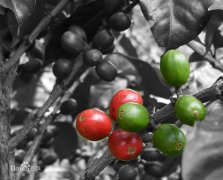
Scientists predict that wild coffee could lead to extinction in 2080 due to climate change
If you are still calmly drinking coffee and reading the news, you may not be able to calm down soon. If global climate change continues, plants from major coffee bean producers will be affected, unable to provide high-quality coffee bean products, and coffee could become extinct in 2080, according to Royal Botanical Gardens researchers. Through field visits and plant specimens, the researchers

Coffee lovers pay attention to the lack of genetic diversity or the extinction of Arabica coffee beans.
Professional barista communication Please follow the coffee workshop (Wechat official account cafe_style) coffee beans are a bit like bananas. Like the Cavendish banana, the only banana variety found on the shelves of most supermarkets in the world, the highest quality Arabica coffee beans have very low genetic diversity. Experts predict that after the bacteria evolve in the future, it will be fatal to the Cavendish banana.

What kind of coffee is Arabica native species? Ethiopian native species Heirloom
Professional coffee knowledge exchange more coffee bean information please follow the coffee workshop (Wechat official account cafe_style) Ethiopian native species Heirloom Arabica coffee originated in East Africa Ethiopia, there are still hundreds or thousands of wild coffee in Ethiopia, even growing in the primeval forest all the year round.